Why I Trimming My Google Stock Right Before Earnings (No Heroics, Just Process)
Painless AI Lab – A Hong Kong Practitioner’s Real-World AI Journey (Part 22)
Special Blog | July 22, 2026
Living in Hong Kong means you get used to tight spaces, fast pacing, and the constant hum of high stakes. That mindset inevitably bleeds into how I look at the stock market. When every square foot of your city costs a fortune, you learn pretty quickly not to gamble your hard-earned cash on blind luck.
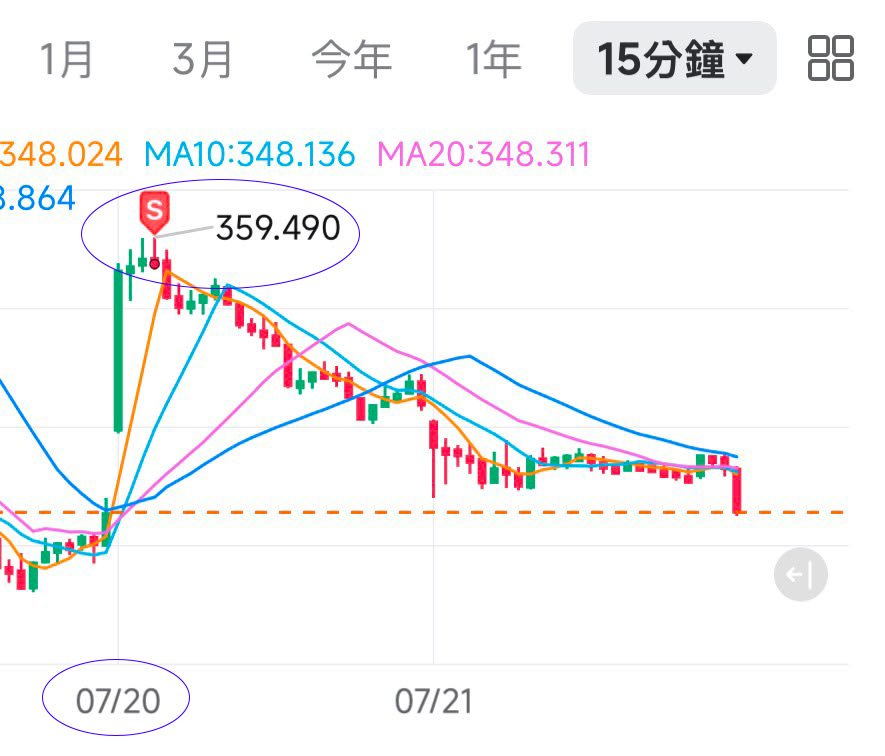
That was heavy on my mind a couple of days ago on July 20th, when I decided to sell half of my Google position right near the local high around USD 359.
Let’s be honest: right before a major tech earnings drop, the market turns into a complete circus. Everyone starts shouting opinions about massive capital expenditure (Capex) numbers, cloud growth, and AI monetization timelines. One single executive comment on a conference call can send a trillion-dollar stock swinging five percent in either direction within after-hours trading.
I used to think real investing meant holding on for dear life through every single storm, gritting your teeth, and hoping for the best. But working through my own stock analysis system and trying to build a sustainable portfolio has taught me a hard lesson: hoping is not a strategy.
The “No-Stress” Earnings Plan
So, what was going through my head when I hit the sell button on half my shares? Simple. I didn’t want to play a guessing game based on one night’s interpretation of a crowded earnings report. The risk-reward just didn’t feel right for my peace of mind.
Instead of trying to predict the unpredictable, I set up a boring, low-anxiety game plan for earnings night:
- Scenario A (Wall Street loves the numbers): If the market cheers the report and the stock rips higher, great. I still own half my original position, and I can easily re-buy the portion I sold. Yes, maybe at a slightly higher price, but I’m paying a small “certainty tax” for peace of mind.
- Scenario B (The market throws a tantrum): If it misses expectations or guidance spooks investors, I sit back, wait for the dust to settle, and buy the dip with the cash I freed up.
My core long-term thesis on Google hasn’t changed at all. I still believe in their ecosystem, their data, and where they’re heading with AI. Trimming isn’t about abandoning the ship; it’s just fine-tuning around the edges to avoid getting caught in an unnecessary disaster.
No heroics here. Just process, risk management, and trying to sleep soundly in a city that never really slows down.
What about you?
Do you prefer to hold your core tech stocks straight through earnings no matter what, or do you like to trim and hedge your bets when things feel a bit overheated?
Let me know in the comments below!