Why I Bought Back My Google Stock this morning?
Painless AI Lab – A Hong Kong Practitioner’s Real-World AI Journey (Part 23)
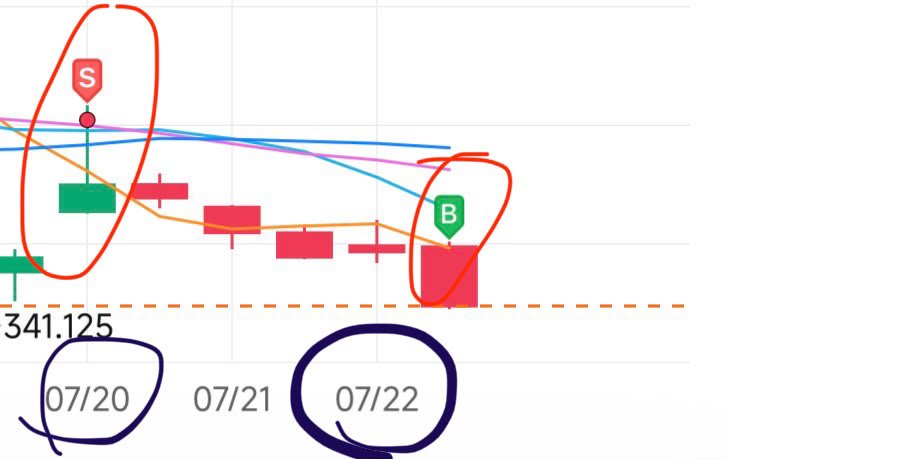
If you read my post right before the earnings drop, you probably know I did something that goes against every fiber of a buy-and-hold purist’s body: I trimmed 50% of my Google position on 22 July. No crystal ball, no insider tips, just raw risk management living in a tiny apartment in Hong Kong where every dollar of living cost reminds you that you can’t afford a massive, unmanaged drawdown.
Well, July 22nd came and went, the earnings report dropped after the US bell, and the market did what the market always does, it gave us a rollercoaster.
Let’s look at what actually happened, how the numbers shook out, and why I ended up buying back shares from the dip this morning.
The Numbers Don’t Lie (Even If the Market Gets Nervous First)
Google’s Q2 financial report looked genuinely strong on paper. Revenue beat expectations coming in at roughly $119.76 billion (up over 24% year-over-year), and net income blew past forecasts too. Even with everyone sweating bullets over rising capital expenditures (Capex) for AI infrastructure such as chips, data centers, the whole nine yards, the core business is still printing cash.
So why did the stock take a dip that let me scoop my shares back up this morning?
Because Wall Street loves to hyper-fixate on the “what-ifs.” Higher Capex means Google is spending heavily to stay ahead in the AI race. To a short-term trader, that spells margin pressure. To someone trying to build a sustainable long-term portfolio while managing real-life anxiety, it just looked like a temporary volatility window created by jittery sentiment.
Trimming 50% beforehand wasn’t about predicting a beat or a miss. It was about lowering my exposure so that if the market threw a tantrum over Capex, I wouldn’t be biting my nails. And when the dip materialized, having that cash on the sidelines meant I could comfortably buy back in at a lower price point this morning. No heroics, just boring, disciplined mechanics.
The Real Lesson: Process Over Ego
In the investing world, people love to talk about how they “called the top” or “predicted the earnings.” Let me be completely honest with you: I didn’t call anything.
If Google had popped 10% after hours, I would have missed out on half of those gains. That’s the tax you pay for managing risk. But trading and investing from a cramped desk in Hong Kong taught me a long time ago that peace of mind pays better dividends than regret. When your cost of living is sky-high, protecting your mental capital is just as important as protecting your financial capital.
Trimming wasn’t a lack of faith in Google’s AI dominance or its search monopoly. It was an acknowledgment that I am human, I feel stress, and I don’t need to play hero with 100% of my portfolio every single earnings season.