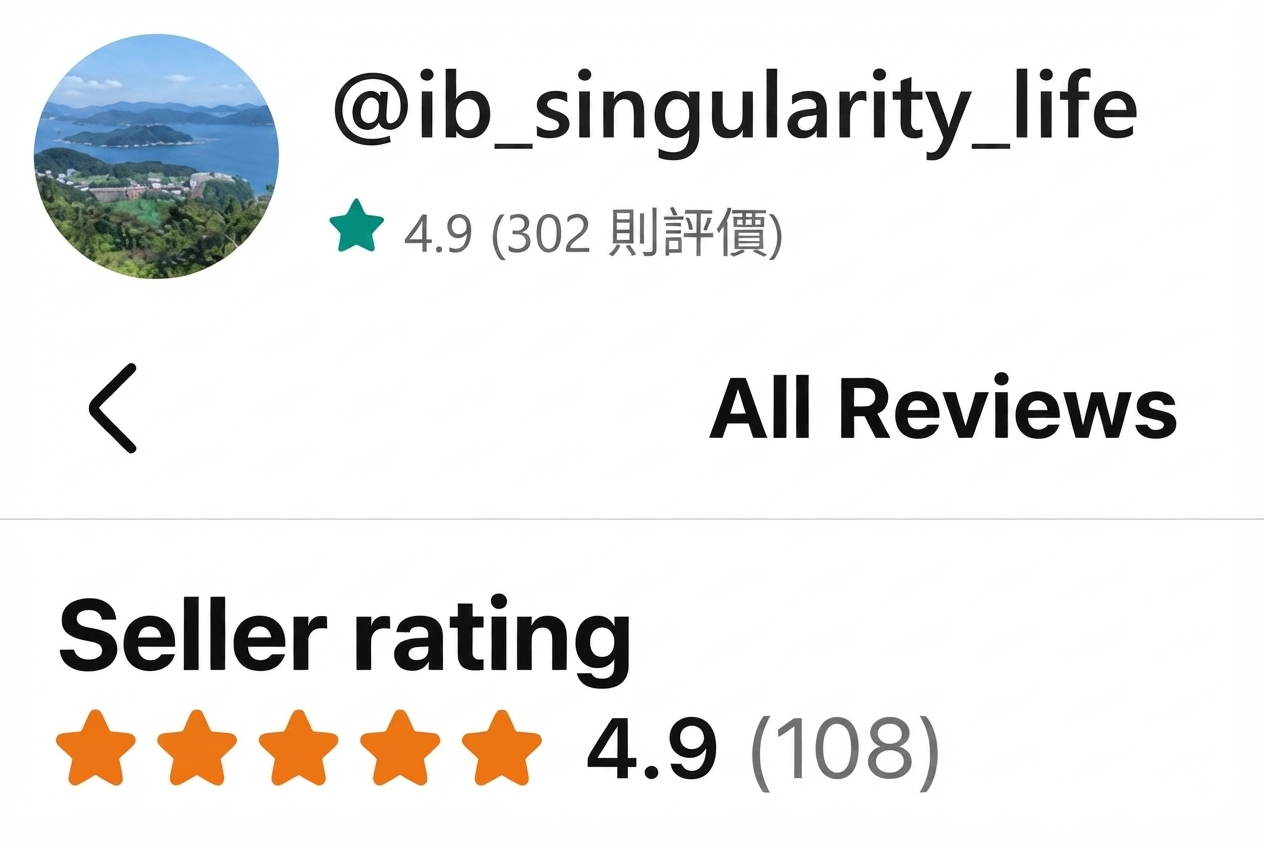
Why Good Reviews and Likes Don’t Save You When the Market Is Full of Cheap Products?
Painless AI Lab – A Hong Kong Practitioner’s Real-World AI Journey (Part 28)
Living in Hong Kong, you learn pretty quickly that rent never sleeps and competition is fierce. When I first started selling physical products online, I thought the formula was simple: build a solid product, treat customers well, collect five-star reviews, and let organic growth do the rest.
For a while, it actually seemed to work. People notice quality, and genuine word-of-mouth is hard to fake. Then the market shifted. Lately, sales in my online shop have dropped sharply. The main reason is clear “a flood of cheap knockoffs and copycat products”. When a buyer scrolls through an e-commerce platform, a generic gadget often looks almost identical to mine at first glance. The materials, internal components, and durability may be completely different, but the photos look the same.
When customers start comparing prices and pushing for rock-bottom deals, I hit a wall. I simply cannot match prices that are built on much lower quality without losing money on rent and inventory.
What makes it more frustrating is that the playing field is not always fair. Some competitors hire agencies to artificially boost likes, reviews, and rankings overnight. Even when platforms catch them and issue penalties, many just rebrand under a new name and reappear quickly.
Meanwhile, solo operators like me “working late nights, caring about real customer satisfaction, and trying to play by the rules” are left wondering whether honesty still pays the bills.
This experience taught me a hard but useful lesson:
Good reviews and positive testimonials alone cannot protect you in a market flooded with cheap alternatives. If your product looks and feels like everyone else’s, you will eventually get pulled into a race to the bottom.
To survive, you have to step out of the commodity trap. Your product’s identity, design, or specific function needs to stand out clearly enough that direct price comparison becomes difficult.
When customers cannot easily find a substitute, they are less likely to negotiate purely on price. This is why I’m now rethinking my product lineup and focusing more on real differentiation through better sourcing and, eventually, OEM development.
Have you experienced the same problem?
Have cheap copycats undercut your hard work online?
How do you protect your business or side hustle when price wars take over?
I’d like to hear your experience in the comments.
Next post teaser (optional to add at the end):
In the next post, I’ll share the practical steps I use when sourcing products, and what I’ve learned from real supplier conversations.